

There are plenty of reasons you might be deficient in omega-3s—you’re a vegetarian, you don’t like fish, or you have an allergy—but luckily, there’s an easy fix. Oily fish like salmon aren’t the only source of the essential nutrient, which is important for a healthy brain, heart, eyes, and more. Plant-based foods also contain an omega-3 called ALA.
According to the National Institutes of Health, “experts have not established recommended amounts for omega-3 fatty acids, except for ALA.” The NIH states that current guidelines recommend that adult men consume 1.6 g of ALA daily and adult women consume 1.1 g of ALA daily. These recommendations increase during pregnancy (1.4 g) and lactation (1.3 g).
Read on for six plant-based foods particularly rich in omega-3s that can help you reach your goals.
Flaxseed oil
According to the NIH, 1 tablespoon of flaxseed oil has 7.26 g of ALA. In addition to providing omega-3s, flaxseed oil supplementation has been linked to improving the skin barrier. Flaxseeds themselves are also high in fiber and are known to lower cholesterol and improve gut health and digestion. Both taste great in smoothies or on top of salads, but it should be noted that the oil is the more bioavailable form if you’re specifically interested in omegas. (One tablespoon of whole flaxseeds contains about 5 fewer grams of ALA, at 2.35 g, the NIH reports).
Chia seeds
One ounce of chia seeds contains 5.05 g of ALA, per the USDA. They also contain 4.68 g of protein and 9.75 g of fiber per ounce, along with other vitamins and minerals, making them a well-rounded source of nutrients.
Hemp seeds
Three tablespoons of hemp seeds contain 2.6 g of ALA, according to the USDA, as well as almost 9.5 g of protein, 210 mg of magnesium, and 360 mg of potassium. To put that in perspective, that’s more protein than one large egg provides, about two-thirds of the recommended daily magnesium intake for women over 30, and about 85% of the potassium in one medium banana. Hemp seeds also contain omega-6 fatty acids (another source of healthy fats), which lower LDL cholesterol (that’s the bad kind) and boost HDL cholesterol (the good kind), Harvard Medical School reported in 2019.
Walnuts
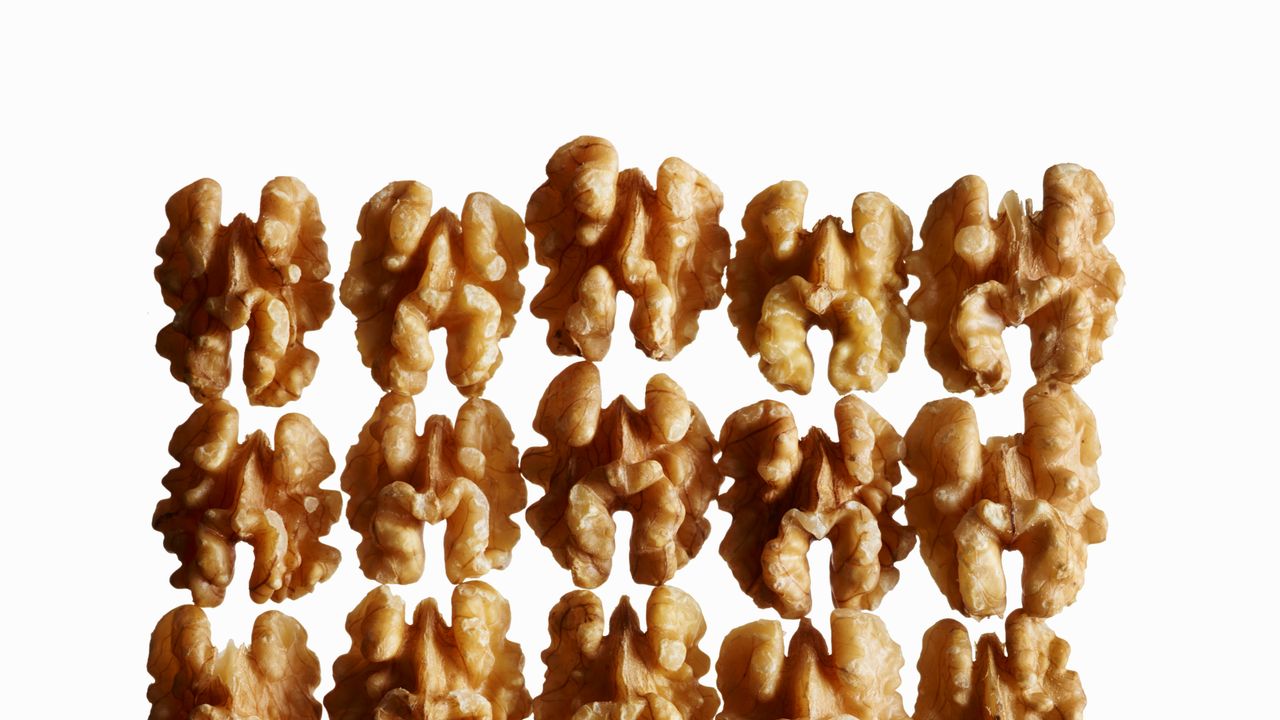
According to the NIH, one ounce of walnuts contains 2.57 g of ALA. Walnuts are also a great source of polyphenols, powerful antioxidants that help reduce inflammation and oxidative stress, which can help lower LDL cholesterol, among other benefits, per a 2023 study published in the journal Nutrients.
Soybean oil
One tablespoon of soybean oil contains 0.92 g of ALA, the NIH reports. Similar to flaxseeds, soybean oil is more bioavailable than whole, cooked soybeans. According to the USDA, 1 cup of mature, dry-roasted soybeans contains 1.34 g of ALA, which is less than what just 2 tablespoons of the oil provide (1.84 g). Although seed oils have gained negative attention in recent years, it’s all about moderation, according to a 2025 article from Harvard Medical School, which stated, “using a few tablespoons to sauté vegetables or in a salad dressing is a healthy option.”
