

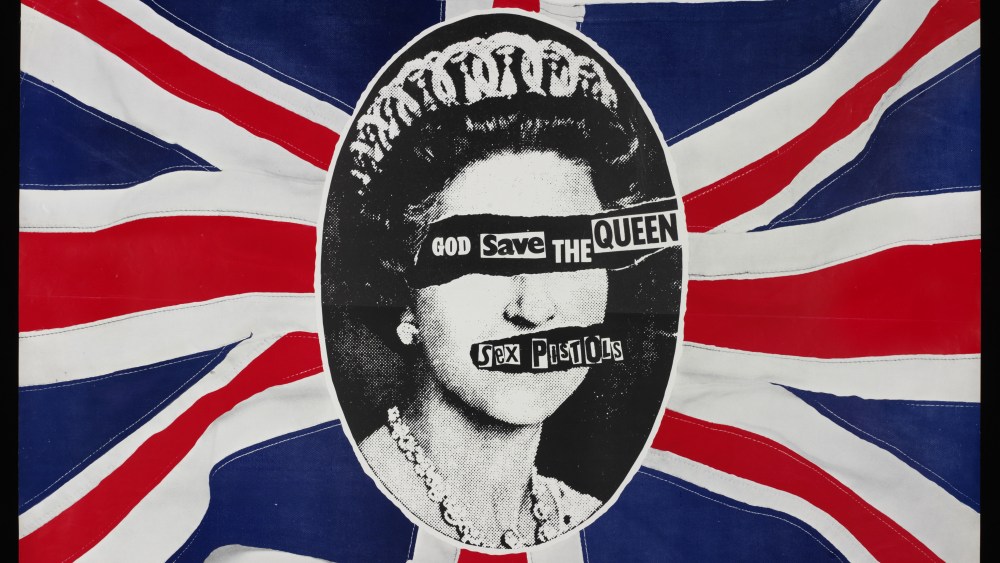
COLORFUL CHARACTERS: The Victoria & Albert museums have some colorful exhibitions in store for 2027 and 2028, including a look at punk’s cultural and social influences, a show about Vivienne Westwood’s jewelry designs and a deep dive into chintz, the fabric that was born in south India and enthusiastically adopted by the British.
The V&A in South Kensington will stage “Punk to Pop” from March 13, 2027, until Jan. 2, 2028. The immersive exhibition will flash back to the underground scenes of the ’70s and ’80s, when band members’ attitudes toward politics, technology, and cultural change helped to shape the aesthetics of pop culture, and fashion in particular.
Over 300 objects will be on show, offering the audience a multisensory experience through stage costumes, photography and music videos from bands such as the Sex Pistols, Joy Division and Wham!

Vivienne Westwood, in tartan, poses for portraits in New York City on Sept. 12, 1994.
Kyle Ericksen
That energetic punk spirit will inhabit another show, at the V&A in Dundee, Scotland, that will focus on Vivienne Westwood’s sparkling orb jewels and bold plaids. The “Vivienne Westwood & Jewelry” exhibition will explore what jewelry meant to the iconic designer, who died in 2022, and how it influenced her designs.
It will also look at Westwood’s ties to Scotland and love of the country’s textiles through a selection of archival looks. That show will run from March 27, 2027, to Jan. 1, 2028.
The V&A plans to wrap up a busy year, and herald the new one, with “Chintz,” which is set to run from Sept. 18, 2027, to June 4, 2028. The museum described it as a “groundbreaking” show that will look back on four centuries of the colorful, hand-drawn fabric.

A hand-painted and dyed cotton chintz fabric from the 18th century, made in southeast India.
The museum said that during the 1600s and 1700s, global desire for south Indian chintz saw the fabric consumed “on every continent and at every level of society, making it one of the most coveted, copied and contentious fabrics in history. Loved, hated, and continually rediscovered, the legacy of chintz has endured, and continues to influence global creative practice today.”
The museum plans to tell the story of chintz through “a radical new lens; not as a consumer product, but as a form of art, alike to other forms of painting and drawing.”
The show promises to bring together “the world-class chintz collection of the V&A with the exceptional private chintz collection of [the textile collector and researcher] Karun Thakar, and celebrate the south Indian makers of chintz as among the most influential artists in art and design history.”
