

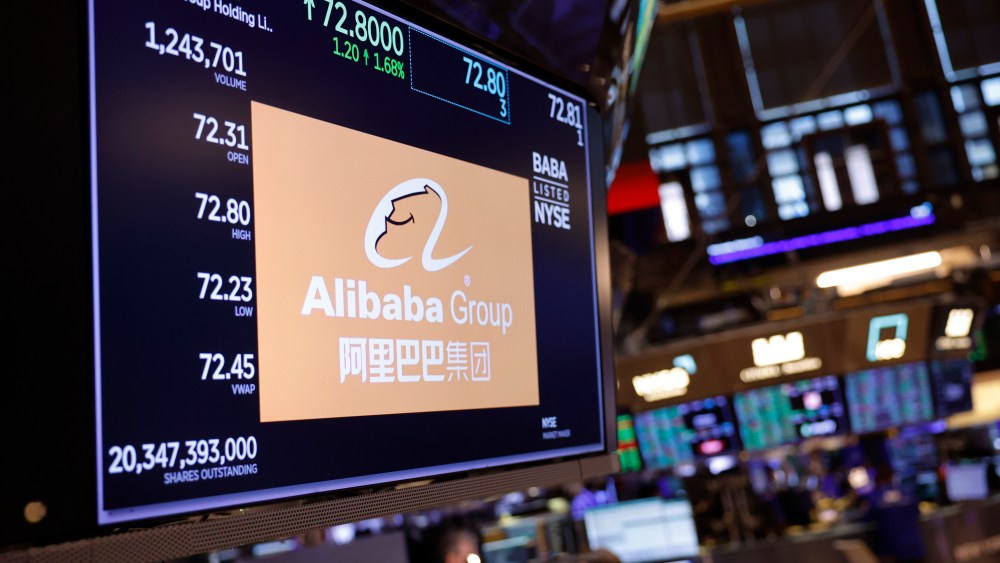
The European Commission has fined AliExpress 550 million euros (over $627 million) for failing to curb the sale of counterfeit goods on its site, hitting the Chinese e-commerce giant with the heftiest penalty issued to-date under the Digital Services Act (DSA).
AliExpress, the largest Chinese e-commerce platform in the European Union (EU), breached its obligations under the DSA, which required it to diligently assess and mitigate the risks of counterfeits, the commission said in a statement over the weekend.
This is the largest fine the commission has charged under the DSA since it took effect in 2023. Two other tech firms have been fined prior to this: Musk’s X in 2025 with 120 million euros in 2025, and Temu, also a Chinese e-commerce platform, with 200 million euros in May this year.
AliExpress disagreed with the decision, noting that the “disproportionate” fine does not reflect the “proactive enhancements” the company has made, Reuters reported.
Nevertheless, the Commission said the fine was calculated based on the nature of the infringements, their gravity in terms of affected EU users, and their duration, which ran at least until the Commission issued its preliminary findings against the company in June last year.
The company, which is owned by the Alibaba Group, now has until Oct. 20 to inform the Commission how it will remedy its violations and mitigate systemic risks. Otherwise, the company may incur periodic penalty payments.
EU’s tech chief Henna Virkkunen said “scale is not an excuse” for the platform, which has around 193 million users in Europe. Risks, she said, must be identified and addressed regardless.
“The spread of counterfeit clothing, unsafe toys, dangerous cosmetics and other illegal and harmful products is not an unavoidable cost of shopping online—it is a failure by AliExpress to comply with its obligations under the Digital Services Act,” Virkkunen said.
The Commission said the company failed to diligently assess the risks in several ways, including the propensity of its recommender and advertising systems to “exacerbate the spread of illegal products.” It also did not properly evaluate whether it has enough staff for the task, not to mention a lack of quantitative metrics to measure how well its moderation system works.
The company also failed to take effective measures to reduce the risks, the Commission said. For one, its system that was meant to detect illegal products did not work properly, leaving many of these items circulating online. If it did detect something, however, the counterfeit products “remained online for multiple weeks.”
AliExpress also did not properly enforce its penalty policy for traders, which allowed stores selling illegal products to remain active despite being penalized, the Commission said. The compliance checks the company did have were “easily circumvented” by miscategorizing products. Its so-called “brand authorization” system was ineffective since traders easily bypassed this, bringing unfair competition to businesses that are otherwise legitimate.
