

For the Wellness Briefing, Glossy checked in with leaders in the peptide space, including attorney Jeff Cohen, Nuritas founder Dr. Nora Khaldi and CeliaRx founder Koehl Robinson, to unpack the results of last week’s FDA advisory committee meetings. Additionally, Whoop hires Glossier’s former CEO as its chief commercial officer, the AI-powered robotic massage market grows, and skin-care brand Prequel expands its executive team.
An FDA committee just took a big step to make peptides more accessible. Here’s what it means for the wellness industry.
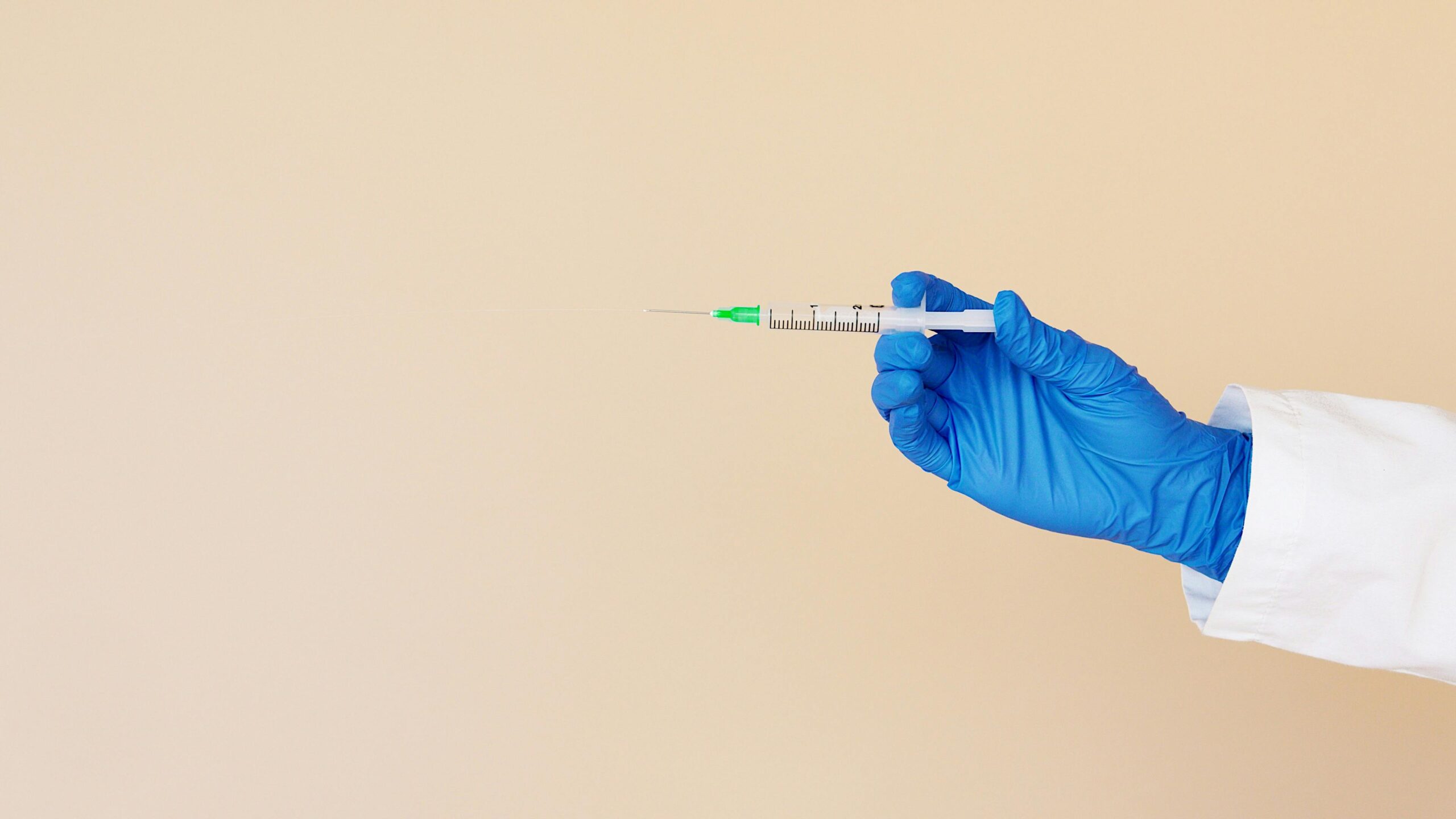
Injectable research peptides — including internet-famous BPC-157 and TB-500, which are hailed by influencers and celebrities as cure-alls for injuries and gut issues — are slowly shedding their gray market status.
After months of speculation about the legal future of many popular peptides, the Food and Drug Administration’s Pharmacy Compounding Advisory Committee met last week to vote on widening their availability through deregulation. Specifically, whether or not seven popular peptides should be moved to the “503A bulks list,” which allows compounding pharmacies to make and sell them without legal risk.
Until now, physicians risked losing their license by prescribing certain peptides, and compounding pharmacies risked legal jeopardy for selling them, leaving the market with rampant demand but only gray-market sellers.
The committee heard testimony from industry insiders with vested interest, like the chief medical officer of Hims, Dr. Anant Vinjamoori, MD, who testified for looser regulation. Meanwhile, industry veterans like Dr. Peter Lurie, MD, former FDA associate commissioner and current president of the Center for Science in the Public Interest, testified against loosening regulations.
The meetings follow U.S. health czar Robert F. Kennedy, Jr.’s 2024 promise “to end FDA’s war on … peptides,” among other things like stem cells and raw milk.
In a surprise to many industry insiders, the committee narrowly voted for looser regulation on six of seven peptides on its docket, only rejecting a sleep-focused peptide called emideltide while pushing the rest forward, including TB-500, KPV, MOT-c, semax, epitalon and BPC-157. However, last week’s vote did not change the peptides’ gray legal status; it simply vetted the topic for the FDA to make an official vote in February of next year.
“I was very surprised; I thought nothing [about peptides] was going to get a thumbs-up recommendation from the committee,” Attorney Jeff Cohen told Glossy.
Cohen represents BioLongevity Labs, a market leader that sells peptides online through the “research peptide labeling loophole.” Cohen told Glossy that the vote, which is what he and his clients preferred of the two options, benefits everyone involved except consumers.
“The one party that was not in the room, and the one that is really at risk of getting hammered, is the consumers that started this whole [demand for peptides] and are fueling it 1785341596,” Cohen said.
That is, Cohen believes that the FDA could be on a fast-track to requiring a prescription for peptides, which would cut out businesses selling peptides directly to the consumer altogether.
“The entire wellness space is fueled by consumers that have decided they have to figure shit out for themselves, and this really got amplified during Covid when people decided we can’t really trust the healthcare leaders in our culture,” Cohen said. “[The FDA is trying to make the peptide space] clinician-led, instead of [consumer-led], which would be a terrific loss from the perspective of consumer access.” While last week’s outcome is what Cohen and his clients hoped for, he is weary of deregulation on the path to further regulation.
Other invested parties, like Koehl Robinson, CEO and founder of CeliaRx, a peptide- and longevity-focused telehealth platform launched earlier this year, are thrilled with the runway this vote has provided their businesses.
“The demand [for peptides] is outweighing the infrastructure of the systems that have been built around approval of products, how pharmacies are compounding products and then how doctors are prescribing products,” she said.
Robinson told Glossy that her team at CeliaRX, launched in 2026, can barely handle consumer demand for peptides today, so she is pivoting her company into a business model to provide backend support for newbie peptide platforms launching now. She’s also building a compounding pharmacy in Texas to meet the demand.
Legally, nothing will change until at least February, but the meeting did provide a green flag for those moving into the space, Robinson said. “Demand is going to skyrocket,” she told Glossy. “There is going to be a window over the next eight months that’s a ‘prepare and build’ phase of this industry.”
Still, there are many skeptics who say that consumer demand is outweighing safety. Despite their popularity, there are still very few human studies, and this vote does not get these peptides any closer to FDA approval, which takes years and millions of dollars for the appropriate human studies around safety and efficacy.
“It’s interesting to see both the pressure on delivering peptides to market, but also that the science has not caught up yet,” said Nora Khaldi, PhD, a peptide expert and molecular scientist turned founder of Nuritas, a company that discovers peptides in nature for nutrition and CPG industries. Nuritas sells its own oral peptide blends DTC and makes peptide ingredients for CPG products for Nestle and L’Oréal Groupe, among other companies.
“[The vote] shows the pressure on the FDA, and in general on the government, to accept compounds that have not been scientifically proven with the rigor needed in clinicals to substantiate their functionality,” said Dr. Khaldi. “So it’s interesting, that balance of: Do you wait long enough, for years and years, to get that proof point, or do you accept it now to reduce some of that gray market area?”
As Cohen suspects, this could be the first step to effectively cutting out DTC sellers. Or, as Robinson predicts, it could be a step toward cutting off all foreign peptide importation in an effort to bolster American compounding pharmacies. But predictions aside, demand is only set to grow.
“It’s impossible to put the toothpaste back in the tube, from a consumer perspective,” Cohen told Glossy. “There is widespread physician adoption and widespread consumer adoption, and I think a little bit of grudging acceptance on the part of some of the regulators of these two realities.”
Executive moves:
- Prequel, the 3-year-old skin-care brand developed by dermatologist Dr. Samantha Ellis, MD, and sold DTC and through Target, is expanding its executive team. Nathalie Kristo, the former CEO of Pacifica Beauty and Huda Beauty, has joined the skin-care brand as its first CEO. Meanwhile, Toral Patel, the former SVP of marketing and e-Commerce for Kopari Beauty, has joined Prequel as its chief marketing officer. Prequel launched in 2023 as part of Ben Bennett’s beauty incubator, The Center.
- Kyle Leahy, the former CEO of Glossier, has joined health and fitness wearable company Whoop as its new chief commercial officer. Whoop currently has more than 3 million subscribers using its screenless wrist tracker. Leahy’s appointment is part of a hiring push that’s brought several high-profile executives to Whoop, including former Nike marketing executive Dirk-Jan van Hameren as chief marketing officer and former FDA committee chair Dr. Ami Bhatt as chief medical officer.
News to know:
- Bain Capital, the VC firm with investments in the beauty incubator Maesa, Canada Goose apparel and Virgin Australia, is set to acquire British supplement company Vitabiotics Limited for an undisclosed amount. Vitabiotics sells vitamins and supplements under brand names Wellman, Wellwoman, Pregnacare and Wellbaby. The deal values Vitabiotics at $1.2 billion, according to reporting this week in Bloomberg.
- Garmin, maker of health tracker smartwatches, has acquired TrainingPeaks and TrainHeroic, two software programs that help users to better plan and track fitness goals. The two platforms were sold to Garmin by Peaksware Holdings. The terms of the deal were not disclosed. It’s part of a larger industry trend of health trackers working toward vertical integration. Garmin reported $7.25 billion in revenue for fiscal year 2025, a 15% year-over-year increase.
- From rose gold hormone trackers to pendants that record sun exposure, wearables are getting a jewelry-inspired makeover in an effort to appeal to a wider consumer base. Now, a new company called Nirva has raised $8 million led by Lightspeed Ventures to launch a line of jewelry that records the user’s day, from steps and stress to social interactions. Launched by former Meta Labs engineers, Nirva debuted at the Consumer Electronics Show earlier this year.
Stat of the week:
Would you get a massage from a robot? According to Future Market Insights, AI-powered robotic massage is one of the fastest-growing segments of the wellness industry. Demand for robotic massage and wellness technology is valued at $156 million this year and is projected to reach $2.15 billion by 2036 thanks to a jaw-dropping 30% compound annual growth rate, according to the firm.
In the headlines:
Schnucks’ new health-tracking AI assistant is a model for other retailers [Modern Retail]. TikTok’s Kat Marquez unpacks NBA and WNBA creator deal [Digiday]. Why travelers are choosing wellness retreats [USA Today]. San Diego’s wellness industry business is booming [Axios]. PlusOne’s intimate wellness products launch at Ulta Beauty [Forbes]. GLP-1s may help you stop biting your nails—here’s why [Allure].
Listen in:
In June, Tower28 gave the industry one of its best examples of interactive OOH: a custom-made NYC billboard with a large button that spritzed passersby with its hero SOS Daily Skin Rescue Spray. Created by MilkMoney ad agency, the billboard was up for two weeks on Canal Street in SoHo and spritzed more than 188,000 faces. Tower28 CEO and founder Amy Liu sat down with Glossy Beauty Podcast host Lexy Lebsack to unpack the experience and investment and discuss, knowing what she knows now, whether she’d do it again.
Need a Glossy recap?
Peach & Lily brings ‘zombie cell’ innovation to Ulta’s skin-care assortment. Hollister, Neutrogena lay out Lollapalooza plans centered on Gen-Z awareness, merch sales. Watch resellers say Rolex’s certified pre-owned channel is increasing the overall market for secondhand watches. Snif and Ulta are betting male teenage ‘fragheads’ can become a serious retail business. Exclusive: Ulta Beauty taps Ice Spice for its first TikTok Shop campaign to unveil the rapper’s first fragrance. Ulta Beauty to welcome dupe fragrance brand Oakcha to hundreds of stores. Sephora Strategies: With its expanded Quiet Hours initiative, Sephora attempts to speak to a new era of inclusivity.
