

Weight loss medication is creating a new breed of shoppers: slimmer, more confident and more likely to buy clothes of different sizes with the intention of returning most of them.
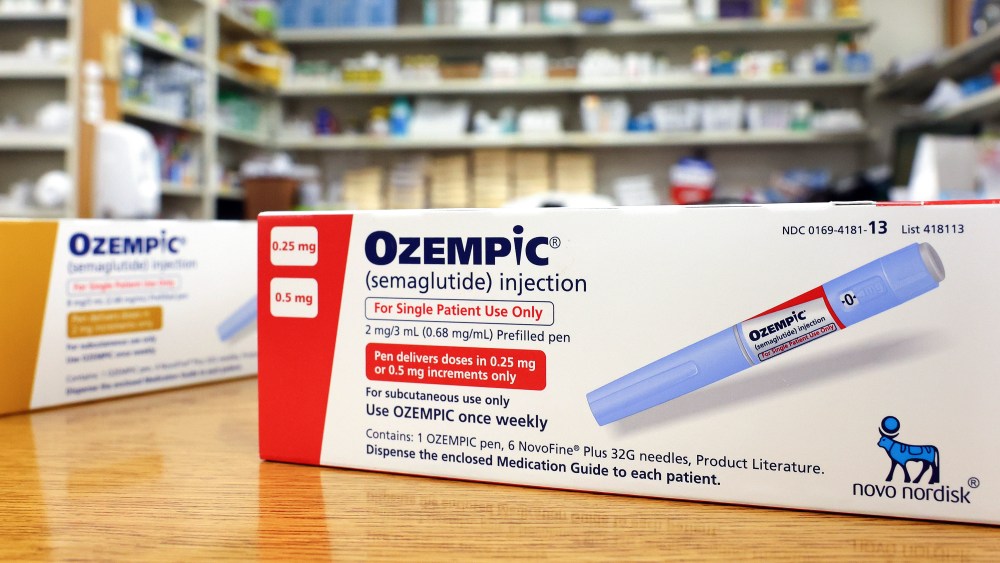
A new report from ReturnPro, “The GLP-1 Effect,” examines the impact weight loss medication such as Ozempic and Wegovy is having on an unexpected corner of the fashion industry: returns.
ReturnPro, which manages product returns and reverse logistics for brands, said it launched the research to help fill a data gap that emerged as the drugs grew in popularity. The company polled 500 U.S. adults who are either currently taking the GLP-1 drugs or have taken it within the past 12 months. The survey was conducted online through market research firm Pollfish.
Dramatic weight loss is a huge lifestyle change, and it is reshaping how consumers shop for clothes. The survey found that consumers shop more in-store because they’re uncertain about sizing (69 percent), buy more expensive clothes (58 percent), and return clothes more often (43 percent).
More than half of GLP-1 users (65 percent) “bracket” multiple sizes, an industry jargon for buying different sizes, colors and styles of the same apparel to see which one fits before returning the rest. In comparison, a separate and earlier ReturnPro study found only 30 percent of general consumers bracket.
Return data also reflects where consumers are in their weight-loss journey. For example, 61 percent of the respondents said they are holding multiple sizes because they were waiting to lose more weight. When they hit their target weight, 48 percent plan to return the items that are too large for them.
The report also found several data points that run counter to at least two predominant narratives about the fashion industry: that women return clothes more often than men, and that almost everyone is online shopping.
On the contrary, the data shows that men are more likely to bracket (20 percent vs. 12 percent) and more likely to return clothes (49 percent vs. 37 percent).
“Rather than simply changing what consumers buy, GLP-1s appear to be changing who behaves like the traditional high-return apparel shopper,” the report said.
More consumers are also shopping in-store because the sizing across brands is inconsistent. It’s this uncertainty that drives 69 percent of respondents to shop in-store, and it’s the same factor swaying 50 percent to bracket multiple sizes.
The data is not all costs for retailers. It also found a possible revenue source: a paid size exchange program that would allow consumers one free size exchange within six months of purchase. Most respondents (58 percent) said they would enroll in a program.
The full impact these medications will have on retail returns remains to be seen. However, the stakes are high. The total cost of U.S. retail returns is estimated to have reached $849.9 billion in 2025, and more consumers are turning to GLP-1 medications. A Gallup study found that 11 percent of U.S. adults currently take GLP-1 for weight loss, up from 3 percent in 2024.
“GLP-1 drugs are reshaping body sizes for millions of shoppers faster than most retail systems were built to handle,” Sender Shamiss, CEO of ReturnPro, said in a statement. “This isn’t a short-term spike, it’s a new, ongoing pattern in how customers shop. Retailers who adapt their sizing, returns and exchange processes now will be in a much stronger position than those who wait it out.”
