

The consumer hasn’t stopped buying, but she’s more discerning about why, what and how much she’s spending, according to a new research report titled “The Squeeze Report: May 2026” from the Consumer Collective, a Brooklyn-based consumer insights and advisory firm.
As the consumer heads into summer, the Consumer Collective conducted a 300-U.S. adult national survey on May 5, with longitudinal comparison data from October 2025. The report breaks down where the American consumer is spending this summer, with data cut by income tier and generation.
Among the key findings is that 59 percent of American consumers across all income levels are dipping into savings to cover everyday expenses. Nearly half said their debt has risen in the past six months, with 26 percent saying it is making them feel overwhelmed. That said, consumers are still making plans, booking trips and buying things — just selectively and deliberately, according to the Consumer Collective survey. The question driving almost every purchase decision right now is not “Can I afford it?” but rather, “Is this worth it?”
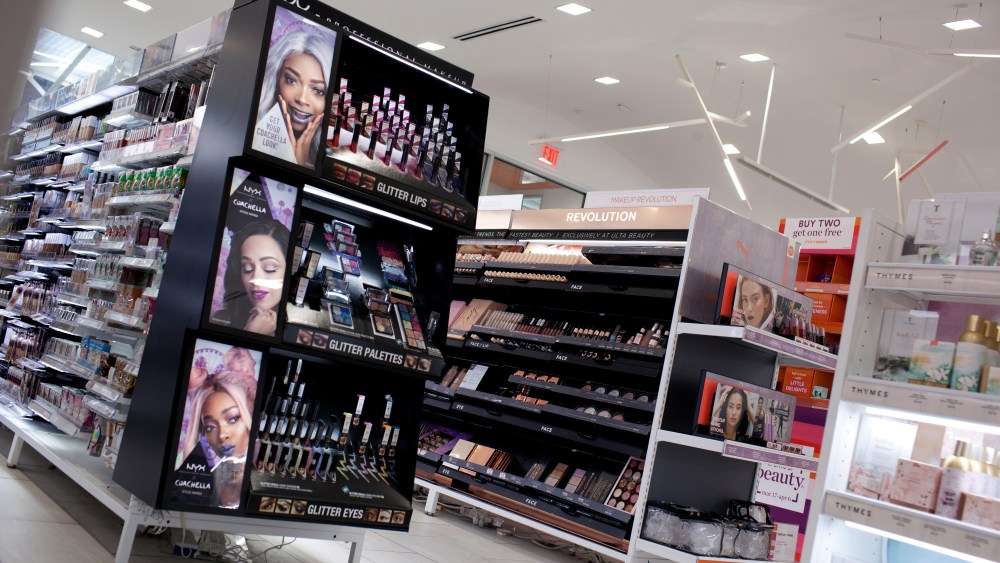
Specifically, beauty and personal care ranks eighth in stated spending priorities, but shows up consistently in actual purchase intent. Consumers aren’t abandoning the category, but are editing their routines. Masstige products in the $20 to $40 range, value formats, and size options are where the interest is concentrated. Gen Z indexes highest for beauty price sensitivity at 33 percent.
Consumers said in the next month, they would buy hair products, skin care, health and beauty products, cosmetics, hygiene, toiletries and self-care. Several respondents mentioned buying in bulk or switching to less expensive brands as an adaptation strategy.
According to the survey, fashion ranks near the bottom of stated spending priorities, and 29 percent of consumers said they have been impacted by higher clothing and accessory prices. However, apparel shows up consistently in actual purchase intent — driven by summer-specific needs. Consumers are shopping for function rather than trend: Summer clothing, walking shoes, work shoes, and versatile basics that justify the cost. Millennials showed the highest clothing price sensitivity with 31 percent saying prices have increased, followed closely by Gen X and Boomers at similar levels, with Gen Z at 28 percent.
It is not surprising that groceries rank as the number-one spending priority — 81 percent of consumers feel the impact of higher prices, reaching 90 percent among middle-income households. Dining out is a considered choice rather than a default for most consumers, with food away from home clearly under pressure, according to the survey. The consumer who is spending on food is seeking value formats, private label positioning, and anything that helps them feel smart about what they are buying.
This summer is bound to see a lot of people road-tripping. Some 42 percent of consumers are planning a road trip this summer — the dominant form of travel across income levels. Only 25 percent are flying domestically and 11 percent internationally. Some 37 percent said they are staying local entirely. The income split on travel is the sharpest in the entire survey.
Interestingly, streaming services have crossed from discretionary to essential, appearing in purchase intent even among consumers who describe themselves as cutting back aggressively. Netflix, Hulu and Amazon Prime appear regularly in survey results regardless of income level.
Home improvement ranks toward the bottom of spending priorities and only 5 percent of respondents plan to spend on home improvements this summer. The home consumer right now is spending to maintain their homes — plumbing repairs, air-conditioner replacement, outdoor furniture, and seasonal essentials, according to the Consumer Collective survey.
Asked about the most surprising findings from the study, Jessica Ramirez, cofounder and managing director of The Consumer Collective, said, “The amount of travel Gen Z is planning while being under such financial stress. Each generation contains multitudes!”
As for why she feels fashion ranked so poorly, Ramirez told WWD, “Fashion ranked pretty low in terms of priorities, but it was up against things like paying the mortgage, groceries and gas. When we asked consumers to tell us specifically what they were planning to buy, summer essentials, including some fashion, did come up — but not a ton. If we zoom out and look at the big picture, it makes complete sense fashion isn’t a big priority right now. People are trading off to protect joy and this summer, and that looks like road trips and vacation experiences, and not stuff.”
She added, “Fashion is so expensive right now that most people are priced out of it, and we do see people turning to the secondhand market looking for higher-end brands at a good price, certain materials (cotton, wool, linen) or other expressive qualities they find valuable.”
