

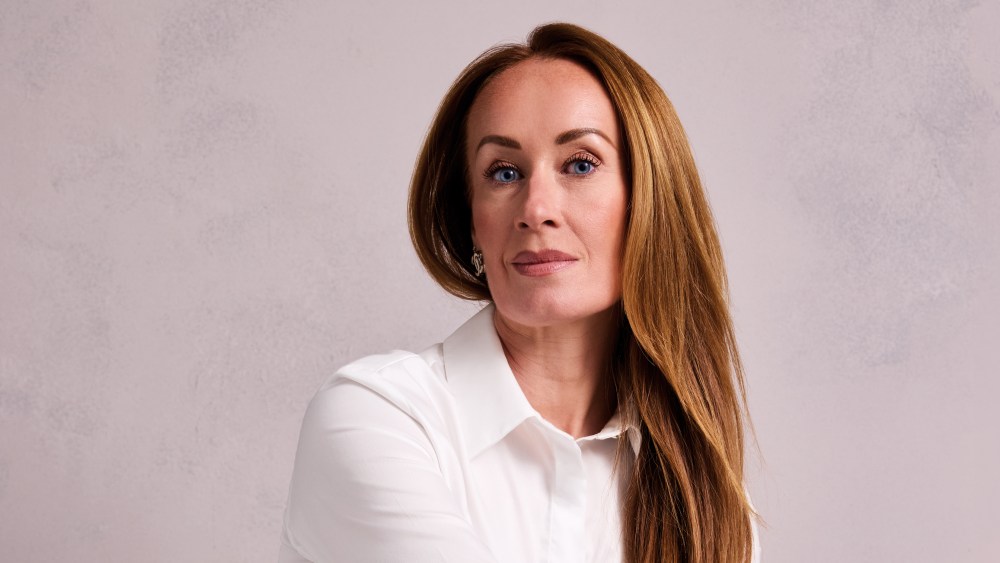
LONDON — British shirtmaker Charles Tyrwhitt has promoted Rebecca Howat to the role of managing director following a recent leadership restructure.
Howat has been with Charles Tyrwhitt for more than a decade, having joined the business in 2013 as head of merchandising. She has since held senior leadership roles with responsibility across merchandising, supply chain, and third-party sales channels.
In 2020, she was appointed to the board as chief operating officer. Before joining Charles Tyrwhitt, she worked for the now defunct Arcadia Group, former owner of Topshop and Topman, for five years.
Howat will report to Luke Kingsnorth, who was recently promoted to group chief executive officer of Bectin Ltd., a holding company for Charles Tyrwhitt, The White Company, and other financial assets.
Kingsnorth said Howat knows the company “inside-out, brings huge commercial and operational experience, and has a real understanding of what it takes to lead the business. Rebecca has played an important role in the company’s success over the years, and I’m very confident in her ability to build on our strong foundations and lead Charles Tyrwhitt into its next phase of growth.”
Howat said she cares deeply about the business which has “a brilliant product, a distinctive brand, and an outstanding team behind it. I feel incredibly proud of what we’ve built so far, and really excited about leading the business into its next chapter”
Charles Tyrwhitt, which was founded in 1986, has 104 stores worldwide in the U.K., U.S., India, Dubai and South Africa. The mid-market men’s brand started with shirts, but also sells trousers, suits, coats, footwear and accessories for men. It is known for its customer service and no-questions-asked, six-month return policy.
Prices range from around 55 pounds for a pique polo shirt to around 600 pounds for a suit made from Italian fabric. According to Companies House, turnover was 350 million pounds in 2025 with profits around 30 million pounds. Around half of the business is in the U.K., with the other half coming from international markets.
