

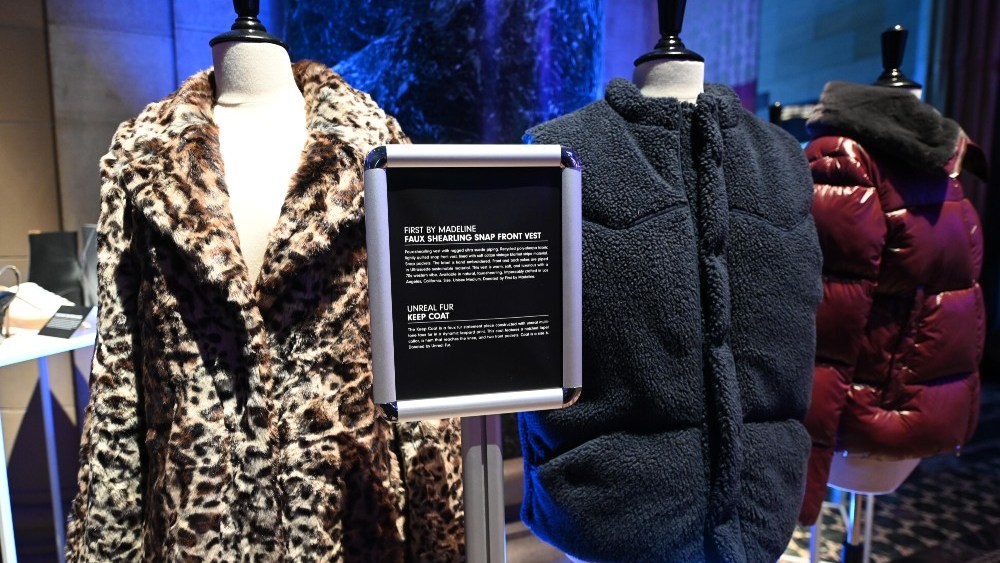
For decades, fashion materials have relied on two systems of production that are increasingly difficult to defend or maintain. Animal-derived materials come with significant animal welfare and environmental costs, while petroleum-based synthetics contribute to pollution, waste and the growing microplastics crisis.
Neither represents a sustainable future for the fashion industry.
Fortunately, a third option is emerging. Advances in bio-based innovation are creating materials that can reduce dependence on both animals and fossil fuels while meeting the performance and quality standards brands and consumers expect.
There is cashmere made from soybeans, leather from fermented grains, silk from orange peels and fur from corn, and we’re betting that in the hands of talented designers, you won’t know the difference. We may even come to find that these new materials can unlock creativity that goes beyond traditional aesthetics.
Surveys have regularly shown that shoppers care about animal welfare when purchasing apparel and luxury goods, yet for many years, much of the fashion industry lagged behind those consumer expectations. Preoccupied with other priorities and under pressure to drive sales through constantly evolving trends, brands and designers often paid little attention to the impact their material choices had on animals and the environment.
That disconnect is becoming increasingly difficult to ignore. The fur trade offers a clear example of the shift underway. It has declined by 85 percent since 2014, with the number of animals killed annually for fur, including foxes, raccoon dogs, chinchillas and mink, falling from roughly 140 million to 20 million today.
Of course, that’s 20 million too many, and there’s still work to do, but we are on the cusp of a new era in which the biggest names in fashion are exploring exciting new materials made from plants not animals—an entire makeover of the industry.
To address the gap between public support for animal welfare and the efforts companies made to address the issue, Humane World for Animals encouraged fashion brands not only to listen but to innovate and better align their vision of the world with rising animal welfare concerns. We counted on the fact that once these brands began to acknowledge consumers’ concerns, they would be motivated to build a new kind of trust with them.
When we launched our campaign to change how the fashion industry views animals many years ago, we knew it wasn’t going to be easy. Animal-based materials like fur, feathers and skins have a long legacy in the sector.
In addition, past efforts by animal advocates to challenge the status quo have been stalled by large industries profiting from those materials. To engineer systemic change for animals, we first had to change the business of fashion, and we decided to look for ways to work with top brands and retailers around the globe—not against them.
Soon enough, we were partnering with the biggest names in fashion as they forged forward-thinking fur-free policies and began considering the future of fashion as one which need not involve animal cruelty or suffering, or the associated environmental impacts. This was the first time most of these brands had taken serious steps in support of animal welfare. The public response on social media and in the press was incredibly positive.
In the coming months, through partnerships with Project Runway and the CFDA/Vogue Fashion Fund, we’ll be working with designers to showcase next-generation bio-based materials to show that luxury, style and performance don’t have to come at the expense of animals or the environment.
This systemic change was only possible because we were rethinking our old assumptions about fashion brands just as these brands were rethinking their assumptions about how much people care about animals.
For centuries, fashion has been a fundamental part of human culture—what you wear is how you present yourself and your values to the world. The new materials revolution is giving us all a chance to literally wear our love for animals on our sleeves. As brands further reduce their reliance on animal-derived materials in favor of kinder, cleaner alternatives, shoppers will see that their values of compassion for animals and concern for the environment have changed the very fabric of fashion.
P.J. Smith is the Fashion Policy Principal for Humane World for Animals. He collaborates with fashion designers, brands and retailers around the world to advance animal welfare and promote innovative materials that can help shape the future of fashion. To learn more about next generation materials, watch the July 31 episode of Project Runway, featuring Cristian Siriano, and look for upcoming Fashion Fund coverage from the CFDA and Vogue.
