

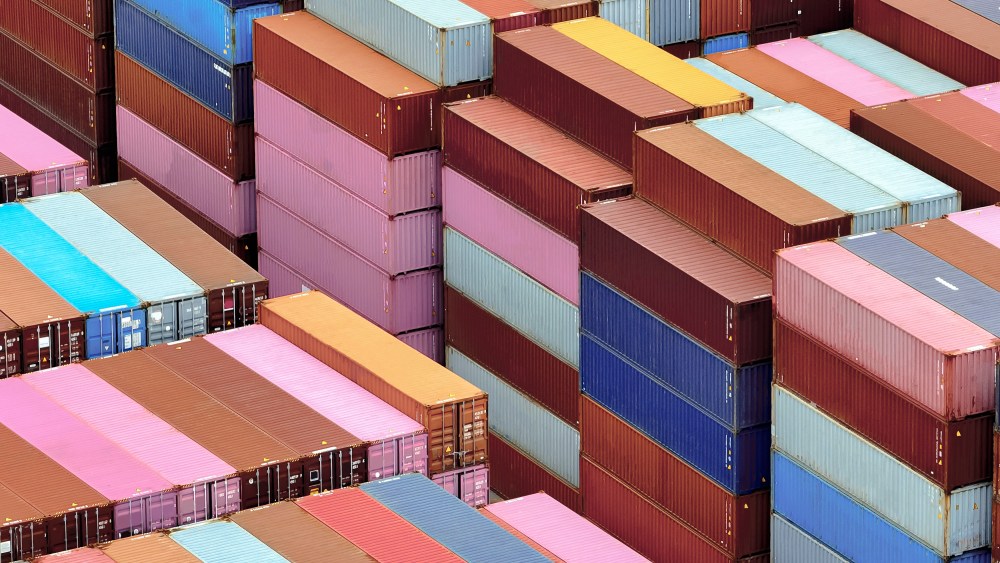
Four Chinese container manufacturers are wrapped up in more litigation—this time from American businesses—after being the subject of an indictment from the Department of Justice last month over price fixing charges.
Two separate class action lawsuits have been filed against the China-based container makers included in the indictment: China International Marine Containers (CIMC), Shanghai Universal Logistics Equipment (also known as Dong Fang International Containers), CXIC Group Containers and Singamas Container Holdings.
Electromagnetic components and goods manufacturer C.A. Spalding filed the first civil complaint on June 2, before trucking company Daybreak Express levied its own grievances on June 9. Both lawsuits were filed in federal district courts in northern California and named the seven executives who were part of the original indictment as co-defendants.
In both suits, plaintiffs allege they suffered damages due to paying artificially inflated prices to move cargo after the manufacturers deliberately restricted the output of the containers.
Citing the original indictment, Spalding said the conspirators allegedly colluded to sell “noncompetitively priced” standard dry shipping containers to U.S. businesses, “thereby fixing ‘a component of global shipping costs…paid by United States importers.’”
The four container shipping companies—along with two other unnamed container manufacturers listed as co-conspirators in the DOJ charges—manufacture nearly 95 percent of available dry containers worldwide.
According to the indictment, the container manufacturers agreed to restrict output of containers and fix prices as early as November 2019, continuing until at least as late as January 2024.
This helped push up the prices of standard dry shipping containers by more than double between 2019 and 2021, with a 40-foot container going from roughly $2,800 to over $5,900 in that period. Supply chain bottlenecks throughout 2021 and 2022 in the later stages of the Covid-19 pandemic had clogged capacity on container vessels, further contributing to a shortage of space and containers that pushed ocean freight rates up to record levels.
Like the ocean carriers at the time, the container manufacturers were reeling in record profits due to the price increases. For example, the profits of CIMC’s container manufacturing business segment increased nearly one hundredfold from $19.8 million in 2019 to $1.75 billion in 2021. In the period, Singamas saw its net income swing from a loss of roughly $110 million in 2019 to a profit of about $186.8 million two years later.
C.A. Spalding and Daybreak Express weren’t the only companies impacted by the higher prices, with both firms alleging they ultimately had to pass on the higher costs to downstream customers, thus widening the pool of parties impacted by the alleged price-fixing scheme.
“Because the price of a standard dry container is a component of the cost of containerized shipping…an unlawful overcharge on containers raises the cost of moving goods and is passed on, in whole or in part, down the distribution chain,” read the Spalding complaint.
Spalding contends that the container manufacturers sold equipment at inflated prices to leasing companies, ocean carriers and logistics providers, which then incorporated those costs into lease rates, freight charges and transportation fees.
As those higher costs moved through the supply chain, importers, retailers and other cargo owners ultimately paid more to move goods into the U.S. The complaint argues that the alleged scheme effectively increased a key input cost for global trade at a time when supply chains were already under severe strain from pandemic-era disruptions.
Neither complaint specifies a damages figure. The plaintiffs are seeking treble damages under federal and state antitrust laws, which can amount to three times the actual damages ultimately proven in court.
Both plaintiffs referred to the defendants’ conduct throughout the period as “self-concealing,” with Spalding highlighting allegations that the conspirators preferred to meet in person “to avoid the suspicion of industry monopoly” and removed references to their “alliance” and “market discipline” from board and investor presentations because they were “sensitive under anti-trust law.”
The DOJ’s accusations indicated that the executives involved in the scheme limited the number of factory shifts and working hours that each production line for containers could run daily. Additionally, the defendants sought to ensure that no company violated the agreed-upon output restrictions by installing 87 video surveillance cameras across 49 container production lines situated at the firms’ factories.
More class action lawsuits against the container manufacturers are to be expected, as it is common for civil complaints to follow prosecutions from the Department of Justice.
