

With the Trump administration proposing new tariffs of up to 12.5 percent on 59 countries and the European Union over perceived failures to impose forced labor import bans, brands’ and retailers’ responses to mounting costs could reshape supplier stability, working conditions and long-term business resilience, Cascale’s Better Buying program cautioned Tuesday.
“Regardless of the intent behind these measures, it is important to consider how resulting cost pressures are managed throughout global supply chains,” said Katie Hess, head of product at the multi-stakeholder initiative’s responsible purchasing practices arm, which conducts surveys that allow suppliers to anonymously rate their buyers on how fairly they do business.
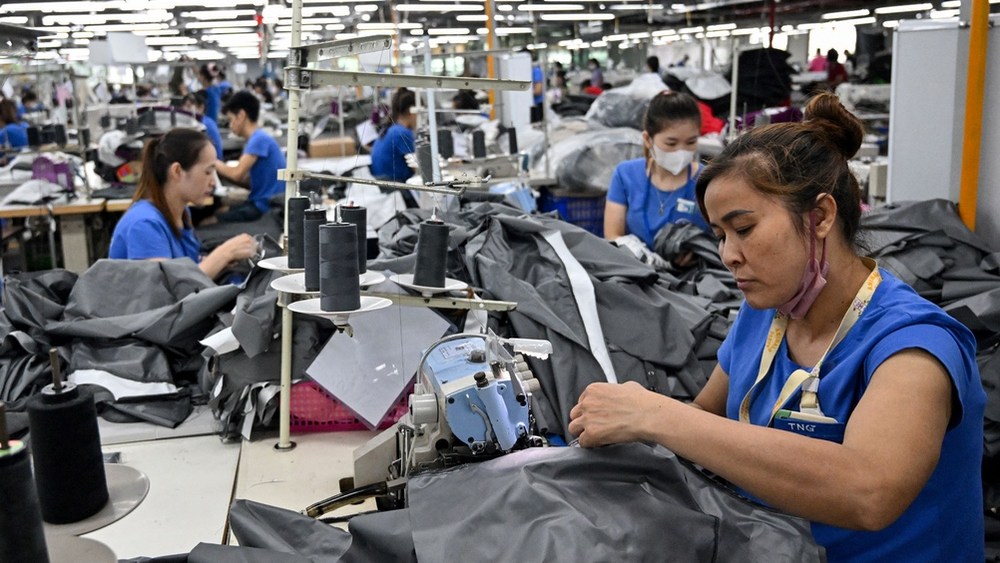
Notably, Hess said, the latest tranche of tariffs, levied under Section 301 of the Trade Act of 1974, targets countries such as Bangladesh, China, India and Vietnam—all key manufacturing hubs where the bulk of the world’s textiles are produced. In markets where margins are already sliver-thin, she said, added cost pressures can aggravate known vulnerabilities such as inhumane production targets, wage theft and abuse and harassment.
“Supplier feedback collected through Better Buying consistently shows that periods of commercial uncertainty and financial pressure can increase operational strain within supply chains,” Hess said. “Suppliers report greater challenges related to planning stability, cost absorption, production changes and order volatility. When these pressures intensify, risks associated with excessive overtime, unauthorized subcontracting and other labor rights concerns can also increase.”
That these tariffs follow earlier “Liberation Day” measures that triggered widespread disruption across sourcing markets, resulting in widespread factory closures and layoffs, doesn’t help. And when those were struck down by the Supreme Court in February, they were quickly replaced by Section 122 tariffs that continued to compound uncertainty across the trade landscape.
Whether Washington is earnest in its desire to clamp down on forced labor—or if it’s simply using this as an excuse to rebuild its original tariff regime—is beside the point, Hess said. What matters now is how supply chains allocate that burden so it isn’t borne by those with the least leverage—workers most of all.
Already, worker organizations such as the Asia Floor Wage Alliance have warned that imposing these tariffs could trigger a humanitarian crisis on the scale of the Covid-19 pandemic, when global brands “walked away from their responsibilities,” leaving garment workers facing deepening poverty.
In a recent rapid assessment in India, where tariffs rose to as much as 50 percent last year, AFWA found that suppliers absorbing cost increases passed them on to their employees through rising workloads, precarious wages and other hallmarks of deepening exploitation. Women workers and non-union migrant laborers, it said, were often the first to be terminated with little to no severance.
Hess noted that even in moments of relative calm, suppliers have consistently underscored the need for fair terms, predictable planning and constant engagement. These fundamentals become even more critical during periods of turmoil, when maintaining stable operations and supporting workers grows more challenging.
“Trade policy changes may be outside the control of individual companies, but purchasing decisions are not,” Hess said. “At a time of heightened uncertainty, supplier feedback points to a consistent need: greater predictability, stronger communication and commercial practices that enable suppliers to plan effectively. These are the conditions that help build resilient supply chains while supporting both business performance and worker well-being.”
