

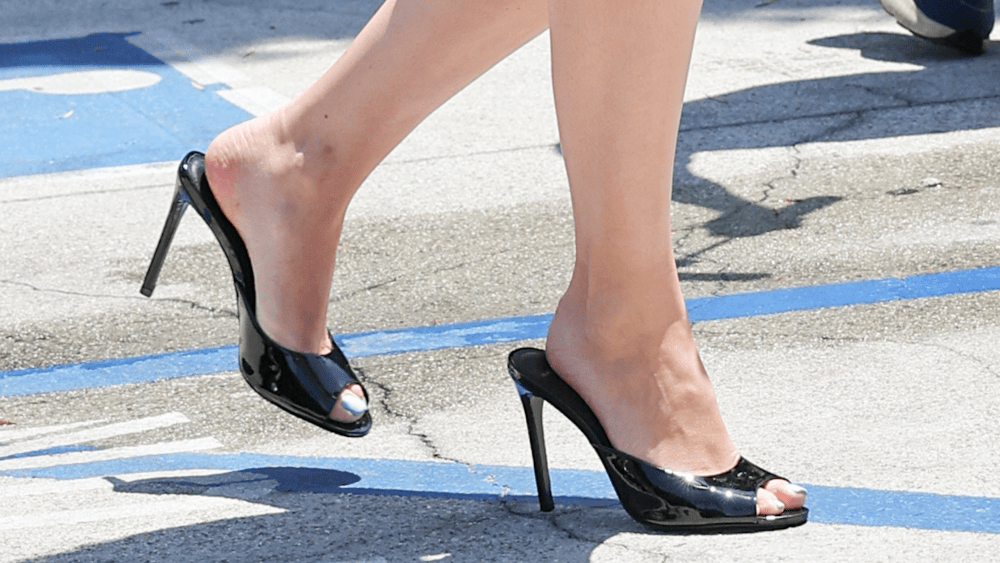
Retailers, shoe brands and buyers alike are optimistic as they ponder the possibilities that could come from a new fashion cycle.
The shifts are breathing some fresh air into the shoe sector after years of dominance by athletic performance and casual sneakers. But it’s a move that could see fewer sneaker sales as athletic performance shoes adjust to a new normal following the post-COVID-19 focus.
Fashion Cycle
There’s a significant emphasis on trends, paving the way for footwear fashionistas to update their shoe closets.
The first hint of possible change came during December 2025’s FFANY Market Week when retailers and brands focused on fall lines and some spring fill-in product for intermediate deliveries. That excitement continued during FFANY Market Week in June, and FFANY August Market Week, which ended on Friday. Newness in the dress and casual categories in women’s shoes saw standouts that included ballet flats, Mary Janes, thong sandals, jellies and the split-toe shoes.
“People were feeling fairly positive about the market and consumer buying, and the trends coming into spring 2027,” said Sandi Mines, vice president of corporate engagement at the Footwear Distributors and Retailers of America and president of FFANY, adding that there were “bright spots all around.”
She said the new fashion cycle has been a boost for everyone, as “people are ready for a change,” adding that the storytelling, as well as the fun new campaigns out there, are “just much more inspirational than it has been in the past.”
Casual and Athletic Sales Are Normalizing
After years of strong results for many companies, now might be the time when sneaker spending shifts.
When Designer Brands Inc. posted first-quarter earnings results in June, chief executive officer Doug Howe told investors during a conference call then that the company saw “softness in the casual and athletic categories as consumers shifted back toward fashion and occasion-based products, following several years of elevated demand in casual and athletic.”
Steven Madden Ltd. CEO Edward Rosenfeld in May noted a similar shift, adding that it saw strength across dress shoes and boots, but that the “big thing” it saw was a “decrease in the penetration in sandals and sneakers.”
Deckers Brands last month posted first-quarter results, with Hoka leading the way with a 7.7 percent increase in net sales to $705.3 million. But some analysts on Wall Street saw that as a slowdown, citing missed first-quarter estimates and a second-quarter guide that was below consensus. And they’re questioning Hoka’s sales growth rate.
Adding further to concerns of a slowdown is a report from Needham analyst Tom Kikic on Monday suggesting that the “Jordan Brand is facing a difficult demand environment,” as some retro launches have failed thus far to trade at a resale premium.
“With a lack of meaningful innovation and ‘buzz’ in the sneakerhead market, coupled with less-than-ideal macro conditions, it seems clear to us that the sneaker market is challenged at the moment,” the analyst concluded.
Under Armour Needs More Time
While there was hope that Under Armour‘s first-quarter report would be the last bit of challenging news for the sports brand, its latest earnings report said otherwise.
The company reported on softer demand ahead, mostly in North America and Asia-Pacific in what CEO Kevin Plank described as a “challenging consumer demand environment.” Plank said he knows what the brand needs to do, and that is focus on quality at full-price and not quantity.
“That means being willing to walk away from lower-quality volume, tighten inventory buy, and reduce the amount of product that ultimately has to be cleared for promotion,” Plank said. He did caution that the nature of the reset means the company will see “progress in those ares before revenue fully reaccelerates.”
Under Armour is a wait-and-see stock investment.
“We believe Under Armour’s efforts to simplify the business and improve the quality of demand are key to the success of the brand,” BTIG’s consumer retail analyst Robert Drbul said, adding that “we believe the company still has work to do translating internal progress into sustained consumer demand and consistent top-line growth.”
Telsey Advisory Group analyst Cristina Fernández said Monday there are specific factors weighing on the brand. Among them is apparel geared toward men’s performance, low fashion appeal with women, marketing that has not fully captured consumers’ attention, and a distribution footprint skewed to midmarket department stores, such as Kohl’s and Macy’s.
The brand has just 12 full-price stores across the U.S., and its best presence in the markets is at Dick’s Sporting Goods. “For Under Armour to evolve into a more premium brand, its distribution footprint likely needs to change,” the analyst concluded.
Adidas’ Marketing Spend
Adidas last month report sales growth of 14 percent in the second quarter, helped by World Cup sales. The company made a big bet on World Cup fever across North America.
But after the earnings report, Adidas shares slid 11.5 percent, as investors appeared spooked by the German Sportswear brand’s higher-than-expected marketing expenditures. Marketing costs rose by 212 million euros for World Cup promotions. That garnered record sales, but some analysts believe it came at a cost of lower-than-expected operating profit that was up 5.1 percent to 574 million euros, but was still 49 million euros below market expectations. The forecast for the full year is between 9 and 10 percent, versus prior guidance of high single digits, or growth of around 6 percent for the back-half of the year.
During the firm’s conference call to investors, CEO Bjørn Gulden emphasized that the marketing spend in the quarter “doesn’t have a payback in commerciality in the same period. We meant, or were sure, that for the brand heat going forward, and also during the tournament, we had to invest in media, and we [chose] to do a lot of activations around the world to showcase the brand.”
Will that marketing spend pay off? Only time will tell. There could more pondering by analysts about how to evaluate the return on investment from marketing, and whether that in turn translates into added global interest in Adidas beyond the World Cup.
