

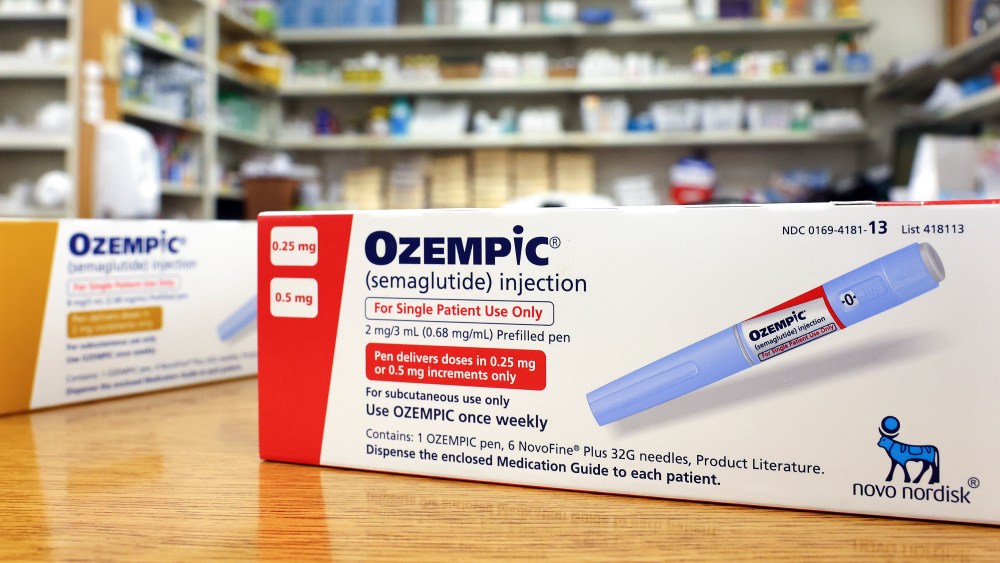
Weight-loss medications are reshaping consumers’ bodies — and the retail fashion industry is beginning to see the effects.
A new report from ReturnPro suggests that men on GLP-1 medication such as Ozempic or Wegovy are upending a long-held assumption that women are responsible for driving apparel returns.
Not only are men on GLP-1 now more likely to return the clothes they buy, but they are also more likely than women to “bracket,” or purchase multiple sizes (20 percent versus 12 percent) to see which one fits before returning the rest.
“Rather than simply changing what consumers buy, GLP-1s appear to be changing who behaves like the traditional high-return apparel shopper,” the report read.
ReturnPro, which manages product returns and reverse logistics for brands, said it launched the research to help fill a data gap spotted by retailers that seem to have emerged as the drugs grew in popularity. To find answers, the company polled 500 U.S. adults who are either currently taking the GLP-1 drugs or have taken them within the past 12 months. The survey was conducted online through market research firm Pollfish.
The results, however, did more than just highlight a new breed of shoppers that have been changed by how accessible dramatic weight loss has been in recent years.
On one hand, the aggregate data shows that more than half of GLP-1 users (65 percent), regardless of gender, bracket multiple sizes, higher than the 30 percent of general consumers who do, according to a separate and earlier ReturnPro study.
On the other, it shows a different nuance defined by a gender divide: men return clothes more often than women (49 percent versus 37 percent), they spend more on expensive clothes (18 percent to 13 percent), and more of them are willing to enroll in a paid size program that would allow one free size exchange within six months of purchase (64 percent versus 53 percent).
The full impact these medications will have on retail returns remains to be seen. However, the stakes are high. The total cost of U.S. retail returns is estimated to have reached $849.9 billion in 2025, and more consumers are turning to GLP-1 medications. Earlier this year, a Gallup study found that 11 percent of U.S. adults currently take GLP-1 for weight loss, up from 3 percent in 2024. More than 30 million Americans will be on GLP-1 treatment in 2030, according to an estimate from JP Morgan.
“GLP-1 drugs are reshaping body sizes for millions of shoppers faster than most retail systems were built to handle,” said Sender Shamiss, chief executive officer of ReturnPro. “This isn’t a short-term spike, it’s a new, ongoing pattern in how customers shop. Retailers who adapt their sizing, returns and exchange processes now will be in a much stronger position than those who wait it out.”
