

But privacy experts say this format puts the burden on citizens to be on the lookout for a light. Meanwhile, there have been several reports of people who say they’ve been filmed without their consent by AI glasses wearers — and unsurprisingly, they are predominantly women.
“The immediate risks are covert and sexualized recording, filming people in vulnerable moments, capturing children, harassment, stalking, and footage that can fuel extortion or deepfakes. The ‘creep’ framing is provocative, and it points to something real,” says Saska. “But I worry that it shrinks the problem to one creep on a train taking a picture, when the structural danger is always-on cameras becoming ordinary, human workers reviewing footage, and data pooling in an ecosystem owned by one company. Once that hardware sits on millions of faces, it becomes infrastructure that police, immigration agencies, employers, and the company itself can draw on. The creep is one manifestation of a much larger system.”
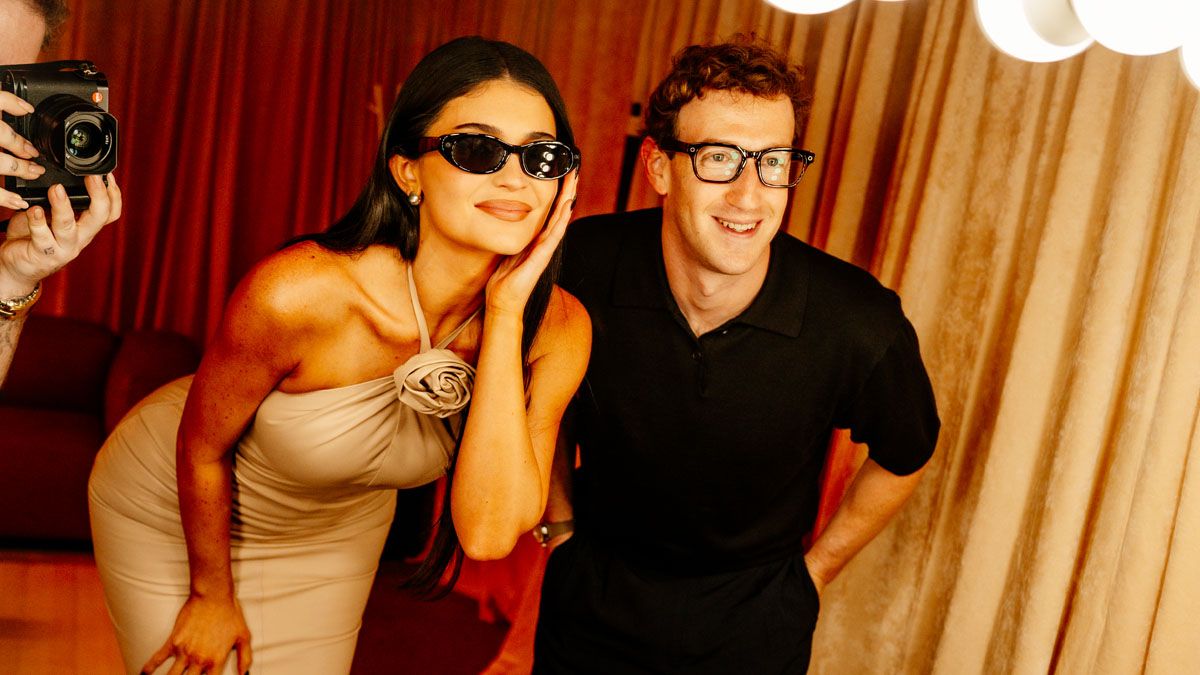
Fashion commentators have pointed to Meta’s choice of Jenner as an efficient legitimacy engine for reaching young women and fashion and beauty consumers. Where early adopters of any AI wearable, from Oura rings to Meta’s smart glasses, were predominantly Silicon Valley tech bros, tech companies have had to change tack to reach female consumers and rewire their images away from purely for the bros. It’s a trend that runs through consumer tech history: devices rarely go mainstream until women adopt them, from Facebook’s transition from college side project into social infrastructure, to fitness trackers that began as nerdy hardware but have since rebranded to wellness tools with women’s health capabilities.
But sociologists like Saska say the strategy runs deeper, and that it’s a clear example of the feminization of AI: the use of women, femininity, and beauty culture to make a contested technology feel safe, intimate, and desirable. Saska says that her research found that the more politically controversial AI becomes, the more aggressively it’s feminized.
“As tech draws backlash over surveillance, labor displacement, environmental costs, and military use, companies reframe it through beauty, motherhood, wellness, and lifestyle,” she says, pointing to another added layer — the fact that Jenner’s voice is integrated into the new glasses as the voice for Meta’s AI assistant anthropomorphizes the device, via a camera that greets you in a familiar feminine voice.

