

Vogue Business is a young publication; it was launched in 2019 as Vogue’s B2B companion, and since then, it’s been through a few iterations and editors (I myself joined in 2023).
The world is never quiet, but in just these seven years of its existence, Vogue Business has seen a pandemic, a luxury boom and ensuing slowdown, an e-commerce collapse, a tariff war, a creative reshuffle, the rise of GLP-1s and peptides, and the excruciatingly fast advent of artificial intelligence.
It’s hard to keep up, and we have been doing our best through first-in-your-inbox news stories, in-depth interviews, executive reports, and editorial packages that address our industry’s greatest pain points.
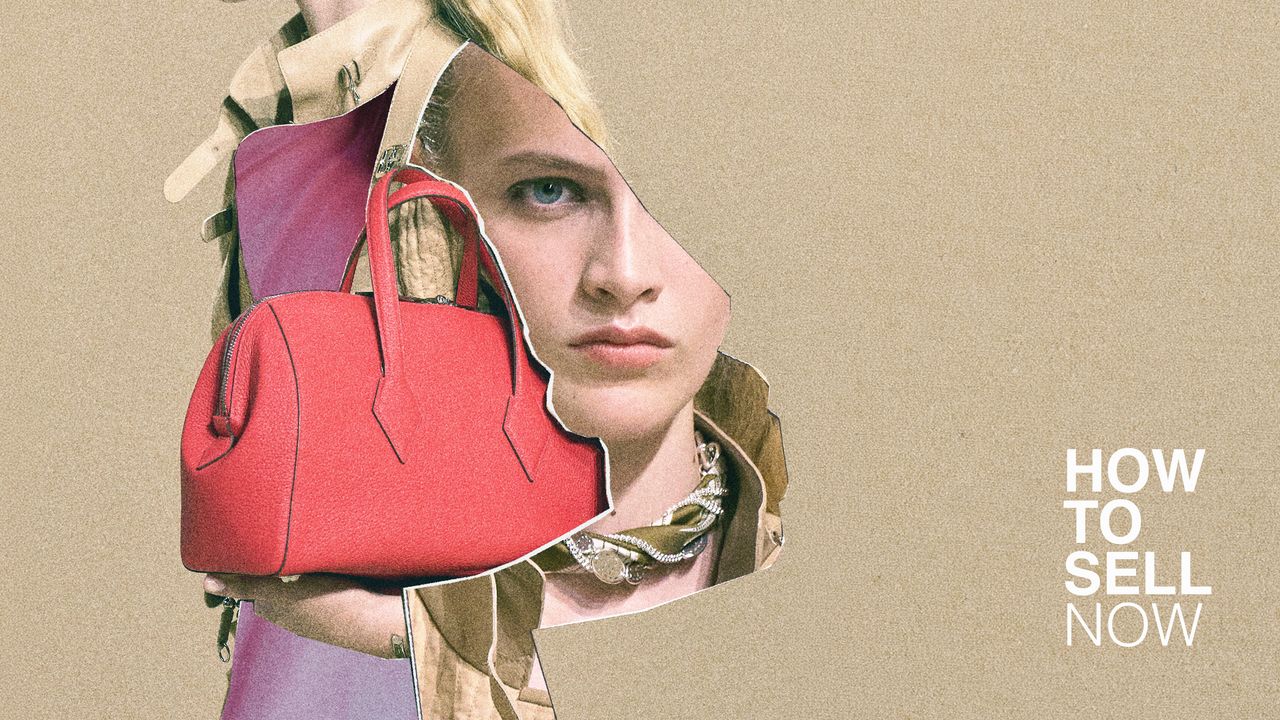
But we wanted to turn all the knowledge we gather each year into a best-practices compendium. Today, I am happy to introduce How to Sell Now: our best-in-class, interactive guide to retail in 2026.
‘How to Sell Now’ comprises six chapters: Multi-Brand, Social and AI, Resale, Brand, Product, and Direct-to-Consumer, the latter of which we published in partnership with AI-powered storefront platform Swap Commerce. It was built based on data from Vogue Shopping, digital analysis across eight social platforms, and a survey of 3,103 luxury consumers from around the world, as well as paired depth interviews with 20 luxury consumers globally to find out about their shopping experience, conducted by the Vogue Business custom insights team, led by Anusha Couttigane. It includes spotlight interviews with executives from some of the best-in-class companies in each category, such as Mytheresa, JW Anderson, Coach, Calvin Klein, Courrèges, Vestiaire Collective, Alo, and Canada Goose.
Below you will find a brief outline for each chapter. You can only read the report in full if you are a Vogue Business Executive Member. If you aren’t an Executive Member yet, you can fix that by clicking here.
Consumers are researching more extensively before they buy — moving between AI tools, resale platforms, social media, and editorial recommendations — while price increases have raised expectations around quality, durability, versatility, and service. As a result, brands are under growing pressure to demonstrate the value of products beyond design alone.
In today’s luxury environment, amid a macro-economic polycrisis and rising prices, cultivating that brand love is more important than ever. Whether it’s a mug designed to look like the one from the designer’s childhood, a branded coffee, or getting your tarot read on a huge yacht in Cannes, brand moments are where luxury labels earn cultural credibility.
Brands are reducing doors, renegotiating terms, and becoming far more selective about where and how they show up. Retailers, meanwhile, are being forced to evolve from scale-driven distributors into curators and cultural gatekeepers.
What first gained traction as a higher-margin alternative to wholesale in the mid-2010s became a necessity during the pandemic. In the years since, as the multi-brand landscape has contracted, direct-to-consumer (DTC) selling has evolved into the industry’s core operating model.
Resale is no longer a separate, downstream activity. It is becoming an integrated part of how consumers discover and engage with brands, with many using resale platforms to assess value, authenticity, and desirability. Technology — particularly AI-powered discovery — is starting to accelerate this shift by making resale easier to navigate.
