

Mother-daughter fashion — essentially a “copy to copy” of adult to childrenswear — got its start with legendary French couturier, Jeanne Lanvin.
Upon becoming a mother to her only daughter, Marguerite di Pietro, Lanvin created a children’s line and perfume among other items inspired by her daughter. This laid the groundwork for the burgeoning category. Women’s Wear Daily first highlighted Lanvin’s entry into the space in 1919, showcasing her work alongside French designer Cheruit in an article titled “Children’s Models From the Rue de la Paix.” Lanvin’s signature designs became a mainstay of her fashion label until her death in 1946.

“Mother, Daughter Styles in Gift Promotion,” WWD, Dec. 17, 1952. Fairchild Archive
The fun of matching “big and little” fashions evolved into one of fashion’s most popular categories, encompassing dresses, pajamas, undergarments, shoes, jewelry and accessories. It gained momentum in the 1930s when fashion shows were staged at The Plaza hotel in New York and other cities. American department stores and boutiques further elevated the concept, promoting the category in popular blue and white Sailor collared and gingham dress styles for everyday wear, holidays and Mother’s Day celebrations.
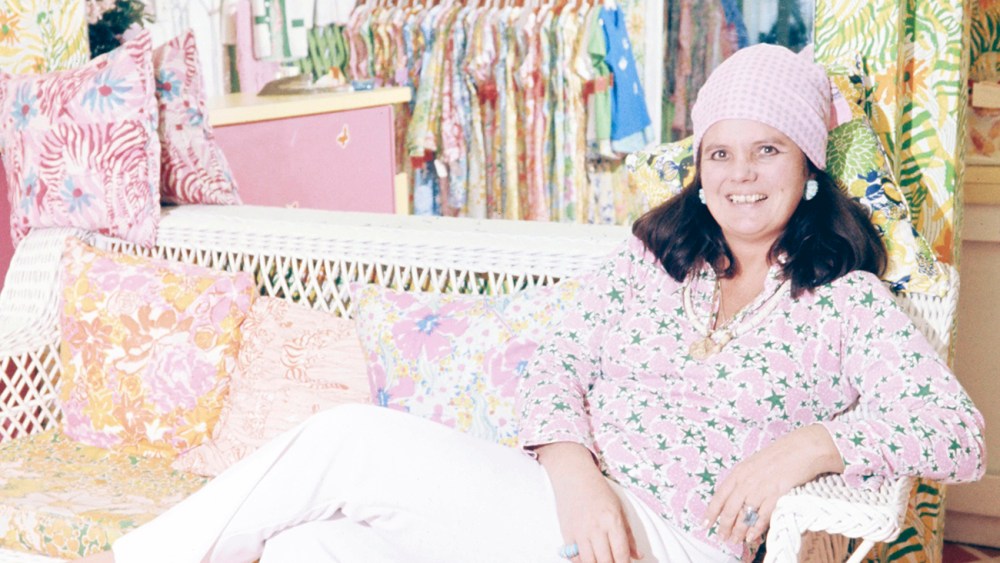
In 1950, Lilly Pulitzer, known as the creator of Palm Beach style, breathed new life into the mother-daughter category. Her hallmark fun, candy-colored prints — showcased in simple, wearable shift dress and linens — offered a fresh take on matching looks.
Pulitzer gained wider fame during Jacqueline Kennedy’s tenure as first lady. When photos of Kennedy wearing Pulitzer’s designs reached the public, the brand became a household name with mothers across the country emulating the Kennedy’s style with their daughters. Pulitzer’s daughters, Liza and Minnie, also inspired her work and later paid tribute to their mother and the brand’s legacy. In 2024, they celebrated their mother’s contributions to the iconic category with a special collection of classic prints and fashion products to mark the brands 65th anniversary.

Kathy Hilton and Nicky Hilton Rothschild attend the 2025 WWD Style Awards in Los Angeles. Stefanie Keenan/WWD
Stefanie Keenan
While Pulitzer’s resort-inspired style remained popular, enthusiasm for mother-daughter fashion waned by the 1990s. Limited offerings came from brands like Laura Ashley and Ralph Lauren along with Simplicity Patterns that allowed families to make matching DIY looks at home.
The resurgence of the category began in the 2000s, as WWD highlighted a new generation of celebrity moms with daughters who favored the nostalgia for the “Mommy and Me” trend. Actress and fashion icon Elizabeth Hurley helped reignite interest with her namesake mother-daughter swimwear collection. Other brands getting in on the trend included Aqua at Bloomingdale’s and Old Navy, offering affordable options that generated buzz during the era.
Today, Mother’s Day is celebrated more and more in promotional branding across fashion categories. In 2026, Nicky Hilton Rothschild launched a 21-piece “maman & mini” collection with La Coqueta Kids as well as a “Made to Treasure” jewelry collection with her mother, Kathy Hilton.

Aoki Lee, Kimora Lee Simmons and Ming Lee walk the finale Baby Phat fall 2006 runway show. Fairchild Archive
Fairchild Archive/Penske Media/WWD
Fashion designer Kimora Lee Simmons, whose Baby Phat female-focused streetwear line often featured mini versions of its T-shirts, jeans and sweatsuits, was a part of Betsey Johnson’s 2026 spring campaign, which championed intergenerations, featuring Simmons alongside her daughter Ming Lee.
Looking ahead to Mother’s Day this year and the recent resurgence of mother-daughter red carpet moments, this beloved category might be poised for yet another renaissance. A reminder that style shared across generations remains timeless.
